
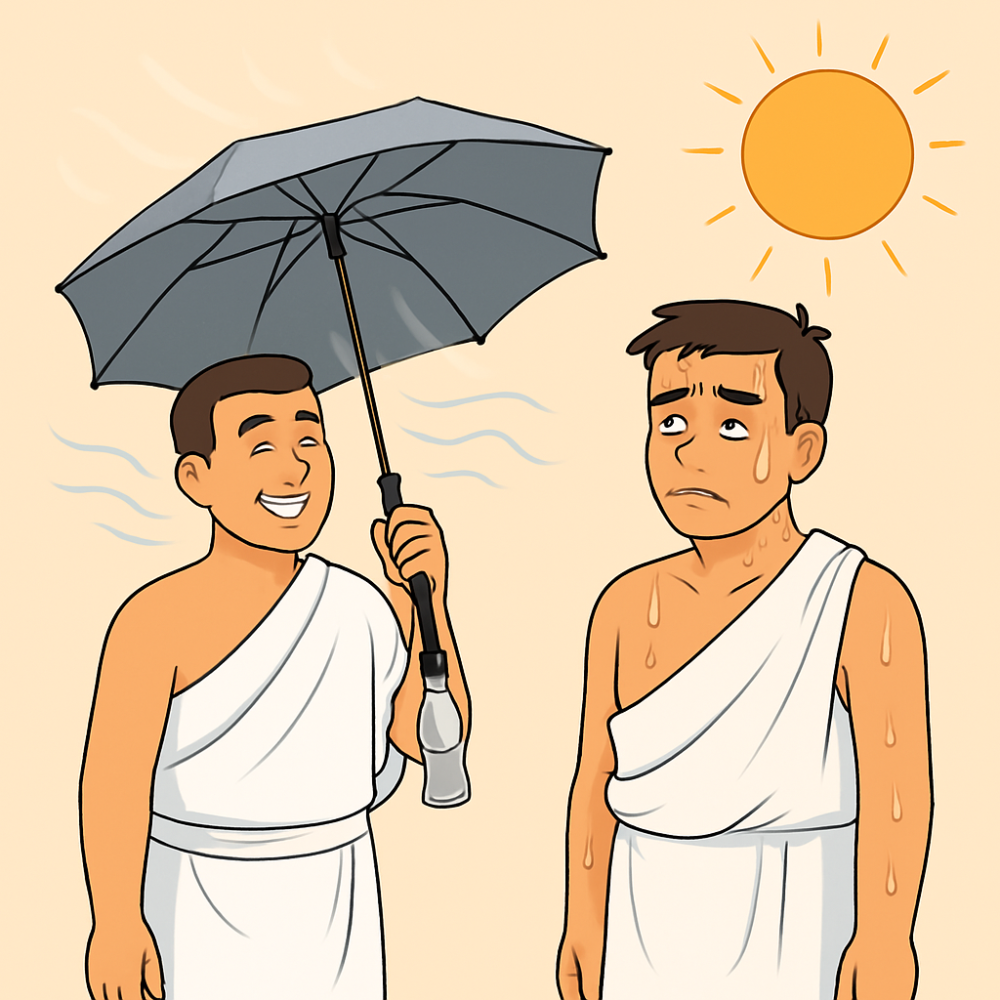
The dangers of sun exposure during the Hajj season
The Hajj season is one of the periods during which pilgrims are most exposed to direct sunlight for extended periods, increasing the risk of numerous health problems that could threaten their safety. It can be difficult to avoid the scorching sun in open areas such as courtyards, mosques, and holy sites, making pilgrims more susceptible to health problems resulting from overexposure. Below are some of the major harms that can occur as a result:
- Heatstroke: Excessive sun exposure can lead to heatstroke, a serious medical condition that occurs when the body's temperature rises abnormally due to exposure to the sun's scorching rays, leading to dehydration and the body's failure to regulate its temperature. Symptoms of heatstroke include severe headache, dizziness, nausea, and a high body temperature.
- Sunburn: Sunburn is a common injury suffered by pilgrims due to prolonged exposure to ultraviolet rays. These burns can lead to skin blisters and severe pain, and increase the risk of developing skin cancer in the future.
- Heat exhaustion: Prolonged exposure to the sun can cause heat exhaustion, a condition caused by the loss of essential body fluids and minerals due to excessive sweating. Pilgrims may feel extremely tired, weak, and dizzy, with the inability to continue moving or performing activities.
- Dehydration: Due to high temperatures and excessive sweating, pilgrims may suffer from dehydration, a deficiency of body fluids that leads to impaired physical and mental performance and may cause serious health complications such as kidney failure or low blood pressure.
5 Ways to Avoid Sunstroke and Sun Damage
To protect pilgrims from the damage caused by exposure to sunlight during the Hajj season, some effective preventive methods can be followed to help reduce health risks.
1- Avoid direct sunlight: It's recommended to avoid direct sun exposure during peak hours, especially between 11 a.m. and 4 p.m., when UV rays are at their strongest. It's recommended to find shaded areas to rest whenever possible.
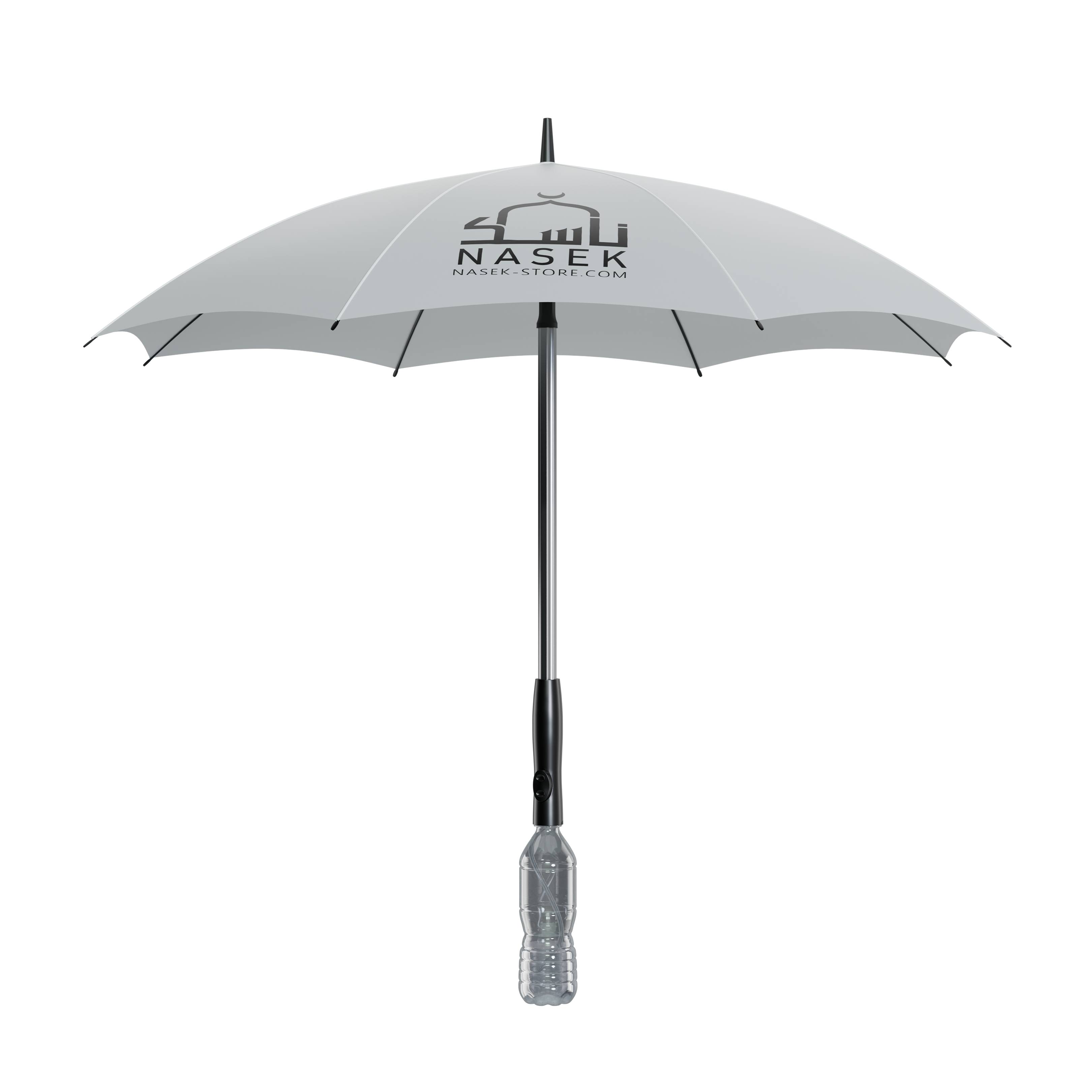
2- Use a hermit umbrella: The hermit's umbrella is considered An ideal solution for protecting pilgrims from direct sunlight, the umbrella provides complete shade and reduces the negative effects of the sun's rays on the skin, helping to prevent sunburn and sunstroke. It also features a fan and a water sprayer. The umbrella is lightweight and easy to carry and comes with a backpack for easy transport, making it a practical and convenient option for protection while traveling through the holy sites.
3- Wear protective clothing: It's best to wear light, loose-fitting, light-colored clothing, which helps reduce heat absorption and protects the body from harmful rays. Cotton clothing allows the skin to breathe and helps maintain comfort.
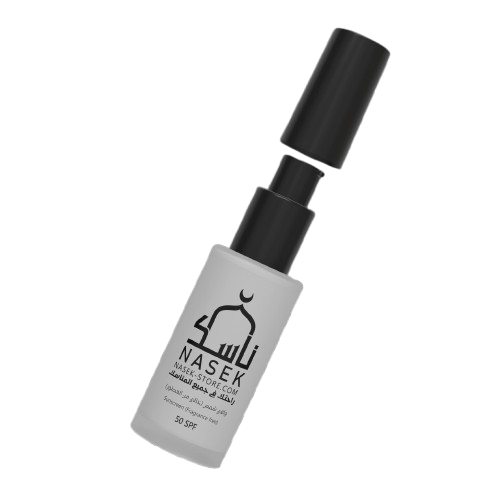
4- Use a fragrance-free sunscreen from Nasik: One of the most important ways to protect yourself from sun damage is to use a fragrance-free sunscreen from Nasik . This sunscreen features an effective formula that protects the skin from UV rays. It's best to apply it at least 20 minutes before going out in the sun and reapply it every two hours.
5- Drink sufficient amounts of water: Maintaining adequate hydration helps avoid dehydration and heat exhaustion. Pilgrims should drink plenty of water regularly throughout the day, especially in hot weather, to ensure their bodies stay hydrated and replace lost fluids.
Conclusion:
Exposure to the scorching sun during the Hajj season can lead to numerous health problems, such as sunstroke, sunburn, and heat exhaustion. Therefore, it's essential to take precautions to protect against these risks, such as using a Nasik umbrella that provides shade, protection, and refreshment, as well as using Nasik's fragrance-free sunscreen. To protect your skin from harmful rays, don't forget to drink plenty of water and wear protective clothing to minimize exposure to direct sunlight.